

Hot Tub Ready — Safe, Code-Compliant Electrical Setup
Expert Hot Tub & Spa Electrical Installation for Edmonton Homes — Licensed Electricians Since 1974
Hot Tub Wiring Edmonton — Electrical Installation, GFCI & Capacity Planning
A hot tub requires dedicated electrical circuit, proper wire gauge, a GFCI disconnect switch, and sufficient panel capacity. The electrical requirements depend on whether your hot tub is 120V (portable) or 240V (permanent installation), and the tub’s amperage rating. Many Edmonton homeowners assume they can plug a hot tub into a standard outlet, but permanent installations require hardwired 240V service, a permit, and inspection. Armada Electrical handles hot tub and spa electrical installation, from assessing your existing panel capacity to installing the disconnect and running the dedicated circuit to code.
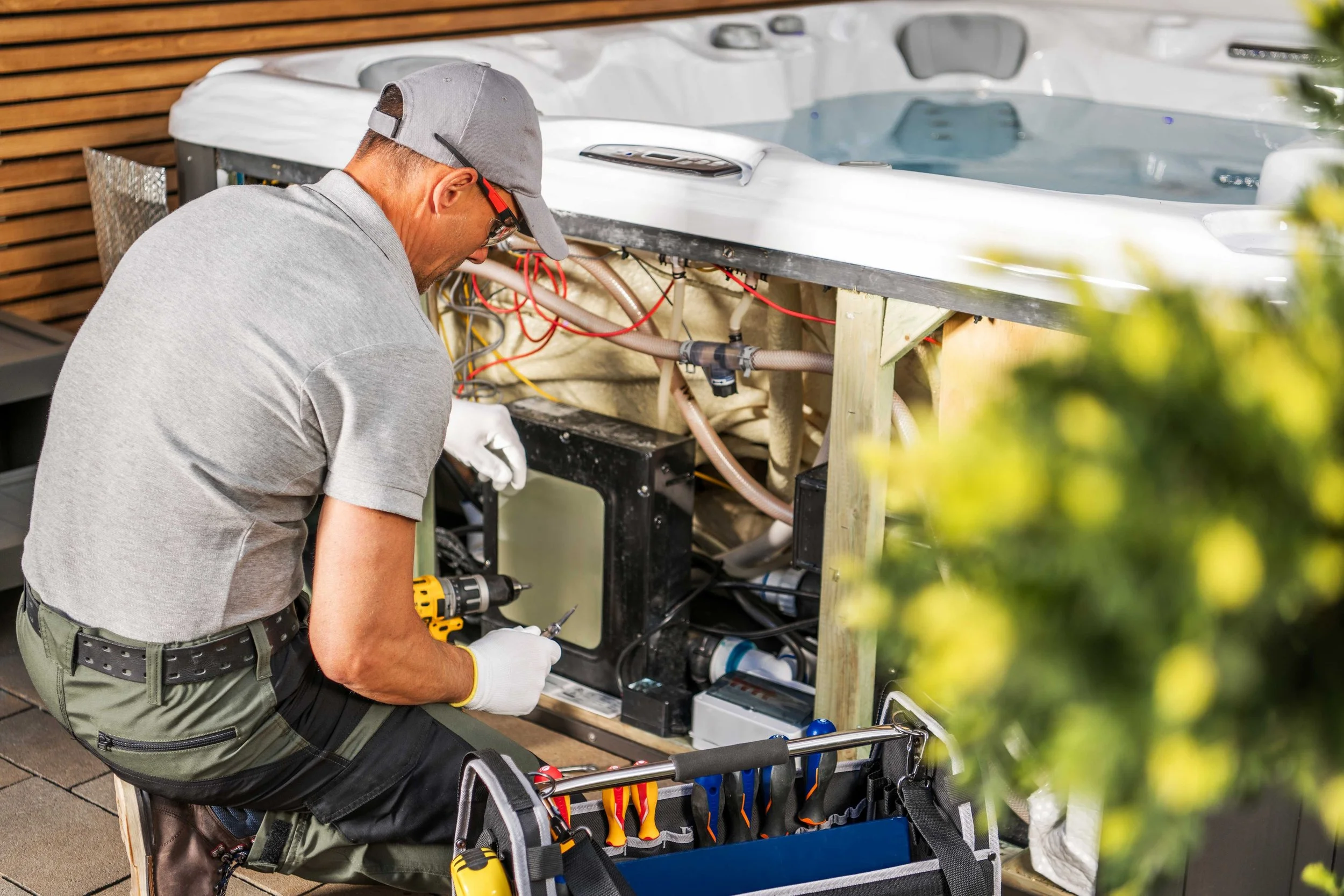
Proper hot tub wiring ensures safe operation, prevents overloads on your home’s electrical system, and meets Canadian Electrical Code requirements. A licensed electrician performs the installation and obtains required permits and inspections.
What Electrical Work Does a Hot Tub Installation Require?
Most permanent hot tub installations require a dedicated 240V circuit, a GFCI disconnect switch located within sight of the tub, proper wire gauge sized to the tub’s amperage demand, correct breaker sizing at the panel, and weatherproof conduit and connections for outdoor safety. For some installations, a 120V outlet may be sufficient if the tub is designed for standard receptacles (typically portable or inflatable tubs). Armada assesses your specific tub’s requirements, verifies your panel has available capacity, and plans the full installation.
120V vs. 240V Hot Tub Wiring — What’s the Difference?
A 120V hot tub plugs into a standard household outlet and is typically portable or inflatable. It operates on the same circuit as other household devices, though a dedicated 120V outlet is recommended. A 240V hot tub is a permanent installation that draws significantly more power and heats water faster. 240V service requires a dedicated circuit, larger wire gauge (often 6 or 8 AWG), a 240V breaker at the panel, a GFCI disconnect, and hardwiring to the tub. Most in-ground and above-ground permanent hot tubs are 240V. Armada recommends 240V installation for any tub you plan to keep long-term because it provides better heating performance and prevents overloading your home’s electrical system.
GFCI Disconnect Requirements — Why It Matters for Safety
A GFCI (Ground Fault Circuit Interrupter) disconnect switch must be installed within sight of the hot tub, typically 3 meters away and as close as practical. The disconnect must be mounted on a pole or wall adjacent to the tub’s location. The GFCI monitors for ground faults (accidental contact with water or wet surfaces) and instantly cuts power if a fault is detected. This is a critical safety device that prevents electrocution. Canadian Electrical Code requires the disconnect for all hot tub installations, and many insurance companies verify its installation during property reviews.
Does Your Panel Have Capacity for a Hot Tub?
A typical 240V hot tub draws 30–60 amps, which requires a corresponding breaker at the panel and available slots for a new breaker. If your panel is full or your remaining capacity is insufficient, a panel upgrade is necessary before the hot tub can be installed. Armada assesses your current panel capacity during the initial consultation. If an upgrade is needed, we plan the panel upgrade first, then schedule hot tub installation once capacity is confirmed.
What to Expect During Hot Tub Electrical Installation
Hot tub electrical installation typically takes 1 to 2 days. Armada runs the dedicated circuit from the panel, installs conduit and weatherproof connections, mounts the GFCI disconnect within sight of the tub, and completes all hardwiring to the tub. We obtain the necessary permit, arrange the electrical inspection, and ensure everything is functioning safely before you fill and heat the tub. For 240V installations, there is no power outage to the home because the circuit is new and isolated.
Spa and Swim Spa Wiring — Higher Amperage and Special Requirements
Larger spa installations and swim spas often require 240V service with amperage demands of 60‑00 amps or higher. These installations may require a sub-panel close to the spa location, larger wire gauge, and dedicated breaker slots at the main panel. Armada reviews the spa manufacturer’s electrical specifications and designs the installation to meet the exact requirements. Some swim spas may need their own sub-panel or even a panel upgrade if main panel capacity is insufficient.
Frequently Asked Questions
-
Yes. Hot tub installation requires a city permit and electrical inspection in Edmonton. Armada obtains the permit, schedules the inspection at completion, and provides proof of signed-off work to your home insurance company if needed.
-
The GFCI disconnect must be within sight of the hot tub and located as close as practical, typically within 3 meters. It should not be more than a few steps away from the tub’s edge to ensure the switch can be reached quickly in an emergency.
-
Portable 120V tubs can technically plug into a standard outlet, but a dedicated 120V circuit is recommended to avoid overloading your home’s electrical system. For any 240V installation or permanent hot tub, a licensed electrician and permit are required by code.
-
If your panel is full or has insufficient capacity, a panel upgrade is necessary before hot tub installation. Armada can assess your current capacity and plan the panel upgrade if needed. The upgrade is done first, then the hot tub installation follows.
Ready to install a hot tub?
Call (780) 484-6720 or request a capacity assessment.
Armada will verify your panel capacity, plan the electrical installation, pull permits, and get your hot tub wired safely and to code.